Skip Bin Hire Comparison: Sizes & Service Levels
Finding the right Skip Bin Hire option is more comprehensive than pricing—understanding the quality of service provided, what size is suitable, and what the laws are is vital. When comparing bins and services for Australian commercial and residential projects, there is no need to waste time provided the services are efficient, and the waste sorting and compliance and waste sorting rules are taken into consideration.
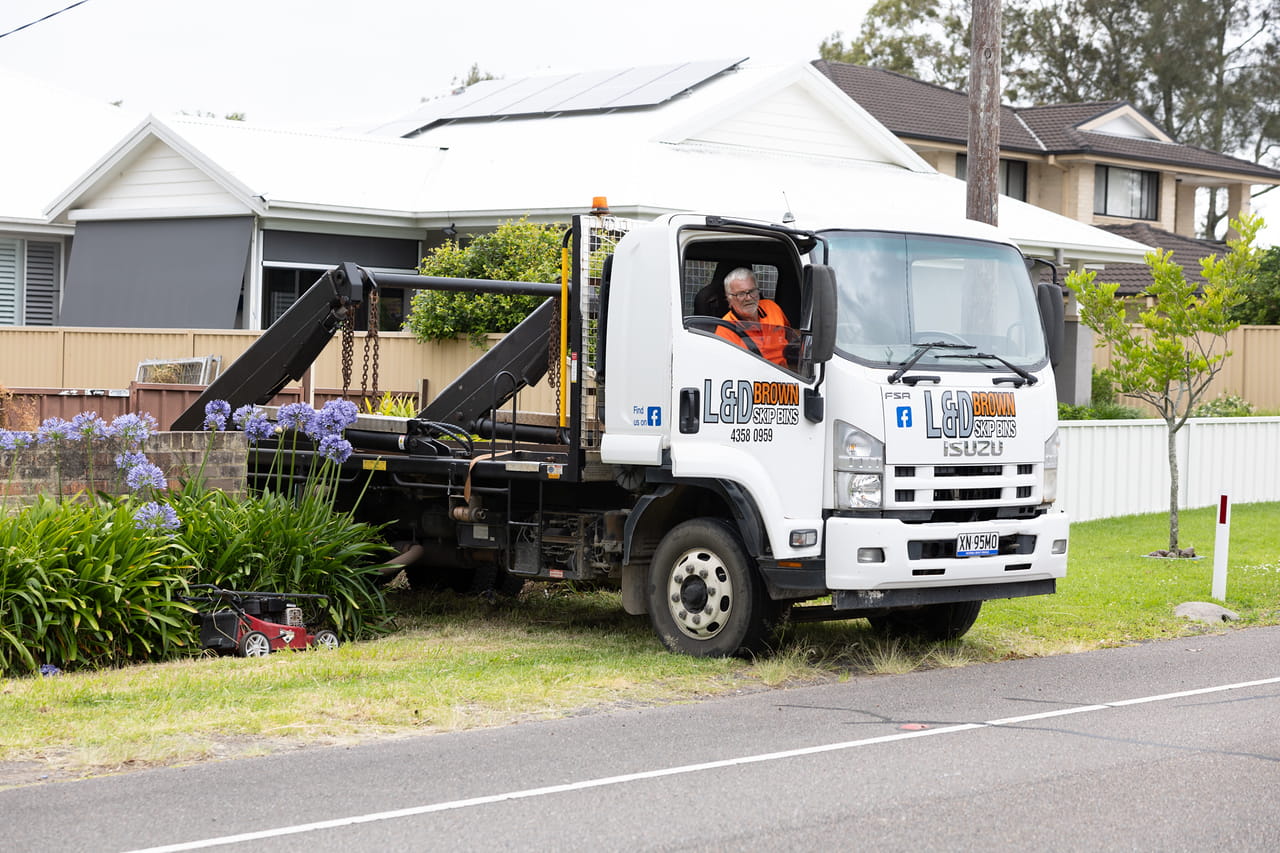
Excellent Skip Bin Hire services begin with an understanding of waste volume and the appropriate bin size to avoid paying for an oversized bin and risk compliance issues with an undersized bin. Knowing the bin size and what it is used for helps improve compliance and efficiency to avoid disruptions to the projects.
2m3 Skip Bins are ideal for small gardening, waste, and clean-up renovations
3m3 Skip Bins are appropriate for office clean-outs and bathroom remodels
Large projects require careful planning based on volume and type
Skip Bin Hire Service Levels and Real-World Applications
4m3 Skip Bins are ideal for medium-sized renovations and light construction clean-up, making them a great all-around choice in Skip Bin Hire comparisons. Service levels depend on access, hire period, and geographical location in Australian metropolitan and regional areas.
Flexible delivery and pickup times
Suitable for tight-access urban locations
Easy-to-follow guidelines for accepted waste types
Skip Bin Hire Compliance, Safety, and Local Factors
When it comes to skip bin hire arrangements, it’s crucial to comprehend the Compliance and Waste Sorting regulations in the area. Local Australian councils have a public land use zone mandate and enforce rigorous public land use zone rules pertaining to the land use, and the location of the skip bin, as well as the weight restriction and the land use zone Division compliance and Waste Sorting regulations.
Commercial and demolition waste is ideal for the 10m3 skip bins.
In high-density zones, permits may be necessary.
Responsible waste separation minimizes the ecological footprint and avoids penalties.
Frequently Asked Questions
What factors are important in choosing the size of a skip bin?
The volume of waste, the type of waste, and the available space are important factors to consider.
Is there anything that is not allowed in a skip bin?
In Australian skip bin hire, waste that is considered a hazard is prohibited.
Is there a need to get the local council’s permission for the skip bin?
Permission is required if the skip bin is located on public land.
Conclusion
An optimal Skip Bin Hire choice concerns itself with the economic cost, the volume capacity of the skip bin, and the compliance and waste sorting regulations. By focusing on the bin sizes and use cases, which are available in 2m3 Skip Bins, 3m3 Skip Bins, 6m3 Skip Bins, and 10m3 Skip Bins on the specific use case and the local compliance parameters, Australia achieves cost-effective, compliant, and efficient waste management. Compare Bin Sizes to find the right option for your project.
Learn More:


Comments
Post a Comment